Villa Farnesina
Renaissance's lifestyleVilla Farnesina
A Renaissance Masterpiece Hidden in the Heart of Rome
Step inside one of Rome’s most beautiful Renaissance villas and discover a world of art, elegance, and extraordinary stories.
Built in the early 16th century for Agostino Chigi, one of the wealthiest bankers and most influential patrons of Renaissance Rome, Villa Farnesina was designed by the celebrated architect Baldassarre Peruzzi. From the very beginning, the villa was conceived as a complete work of art, where architecture, painting, and the surrounding gardens were brought together in perfect harmony.
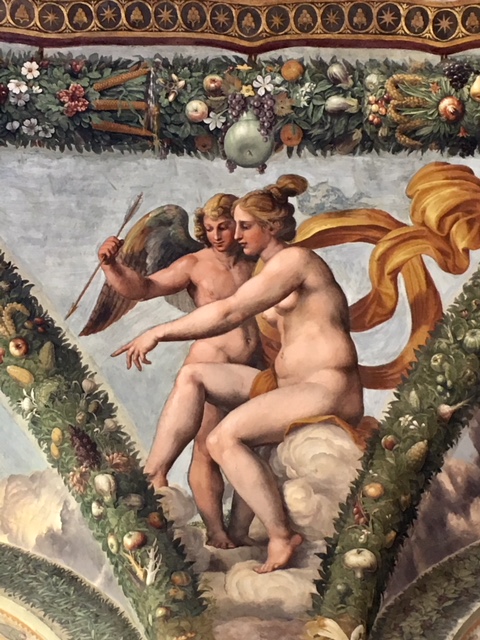
Inside, the walls come alive with magnificent frescoes created by some of the greatest artists of the Renaissance. Among the highlights are Raphael’s Loggia of Cupid and Psyche, with its enchanting mythological scenes, and the celebrated Triumph of Galatea. The villa also houses extraordinary works by Sebastiano del Piombo and Sodoma, creating an exceptional dialogue between architecture and Renaissance painting.
Villa Farnesina was not simply a luxurious residence—it was designed as a place for celebration, culture, beauty, and refined entertainment, reflecting the extraordinary world of Renaissance Rome and the ambitions of its owner.
At the end of the 16th century, the villa passed to the Farnese family, giving it the name by which it is known today and distinguishing it from Palazzo Farnese, located on the opposite side of the Tiber.
Today, Villa Farnesina belongs to the Accademia Nazionale dei Lincei, Italy’s prestigious national academy of sciences.
A visit to Villa Farnesina offers a rare opportunity to step away from Rome’s better-known landmarks and enter the intimate world of the Renaissance—where art, mythology, architecture, and the extraordinary life of Rome’s elite come together.
Duration:1 hour
Info: Monday closed